EJones

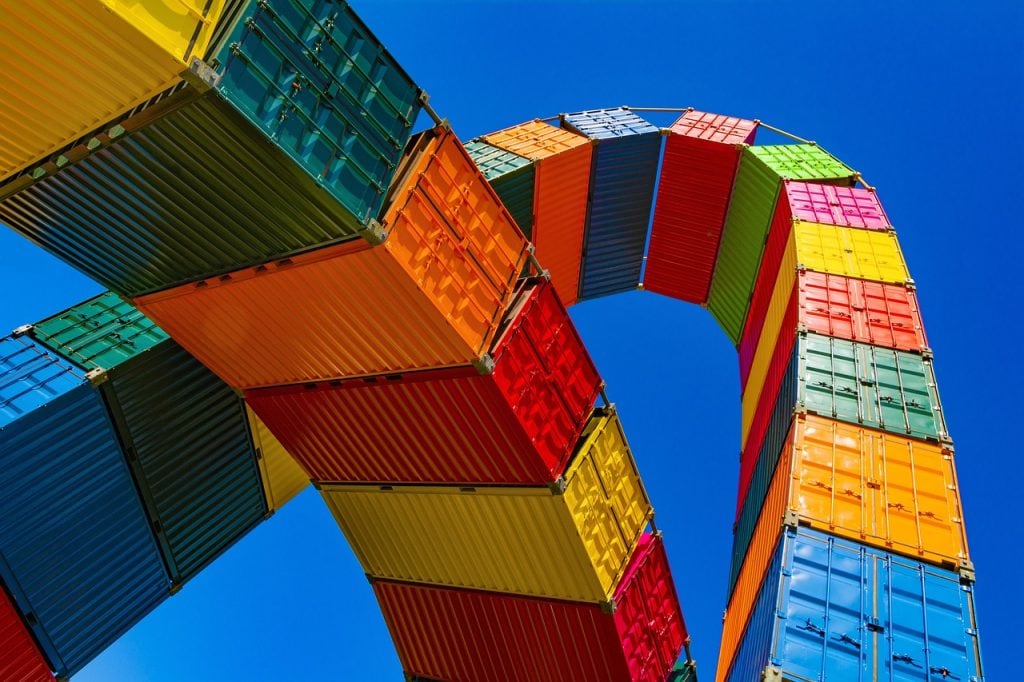
Colorful stacked shipping containers at Hamburg port, showcasing global trade and logistics.

U.S.–Canada Section 338 Escalation: Import Bans Take Effect September 29

Trade measures between the United States and Canada have escalated significantly, and importers with Canadian-origin goods should be reviewing their upcoming shipments carefully. Following the implementation of additional tariffs under Section 338 of the Tariff Act of 1930, the United States has now announced import bans on certain Canadian products, including specified dairy products, alcoholic […]

U.S.–Canada Section 338 Escalation: Import Bans Take Effect September 29 Read More »
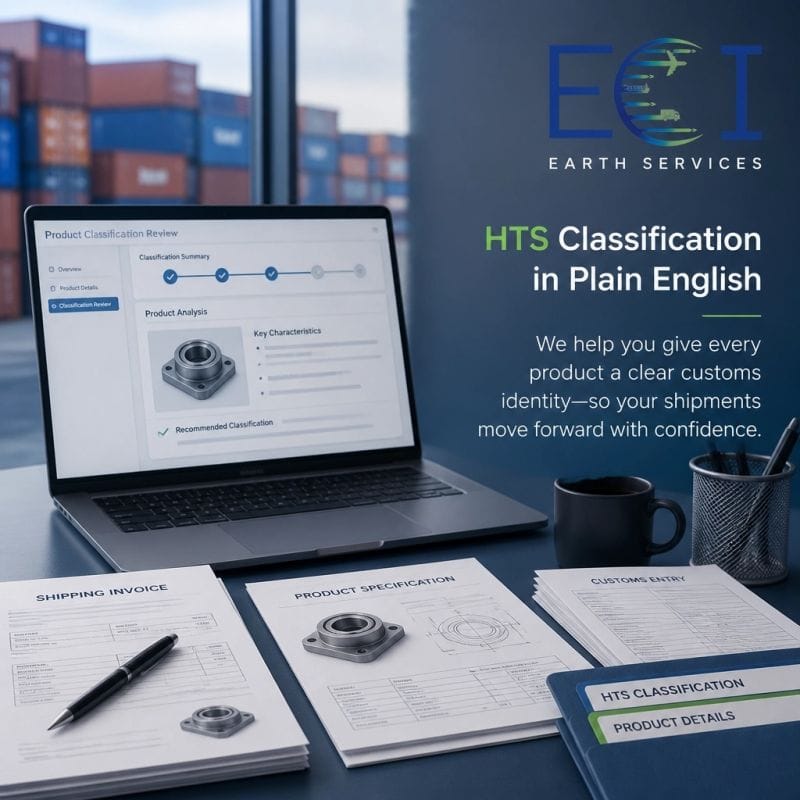
The Importance of HTS Codes

An HTS classification is a product’s customs identity. It helps determine how the product is treated when imported and supports consistent information across customs entry documents. Why does the correct classification matter? • It may affect duty treatment and total landed cost• It can influence eligibility for applicable trade programs• It supports consistency across commercial

The Importance of HTS Codes Read More »

Industrial worker securing cargo containers on a rainy day at a shipping port.

Urgent Tariff Update: New 50% Duties on Certain Canadian Goods

Importers purchasing goods from Canada should begin reviewing their upcoming shipments now. Three presidential proclamations issued under Section 338 of the Tariff Act of 1930 will impose an additional 50% ad valorem duty on specified Canadian products entered for consumption—or withdrawn from warehouse for consumption—on or after 12:01 a.m. Eastern on August 19, 2026. The

Urgent Tariff Update: New 50% Duties on Certain Canadian Goods Read More »

Wooden tiles spelling 'USA' and 'TARIFFS' on a wooden surface symbolizing trade issues.

New Section 301 Tariffs Now in Effect

Effective July 24, 2026, certain imports from 60 economies are subject to new Section 301 duties of 10% or 12.5%, depending on the country of origin and available exemptions. 10%: Argentina, Bangladesh, Cambodia, Canada, Ecuador, El Salvador, Guatemala, Honduras, India, Indonesia, Jordan, Malaysia, Mexico, Pakistan, Sri Lanka, Taiwan, Trinidad and Tobago, and the United Kingdom. 12.5%: Algeria, Angola, Australia,

New Section 301 Tariffs Now in Effect Read More »

A USPS delivery truck parked in a vibrant urban alley beside colorful architecture.

USPS Modernizes Logistics Network as Financial Pressure Builds

The U.S. Postal Service is continuing to modernize its logistics and transportation network as it works to improve package flow, reduce costs, and strengthen delivery operations. According to a recent Transport Topics article, Postmaster General and CEO David Steiner told the U.S. Senate Committee on Homeland Security and Governmental Affairs that USPS is facing serious

USPS Modernizes Logistics Network as Financial Pressure Builds Read More »

container, storage, trade, haulage, freight, export, shipment, import, delivery, trading, equipment, loading, cargo, container, container, container, container, container, storage, trade, trade, trade, trade, freight, export, delivery, delivery, trading, cargo, cargo

What Is Cargo Insurance?

Cargo insurance is coverage that helps protect goods while they are being transported. When cargo moves by ocean, air, truck, rail, or a combination of transportation methods, there is always some level of risk. Goods can be damaged, lost, stolen, delayed, exposed to weather, mishandled, or affected by events outside the importer’s or exporter’s control.

What Is Cargo Insurance? Read More »

Colorful stacked cargo containers at a shipping yard in Jakarta, Indonesia.

What Is a Customs Bond?

A customs bond is a financial guarantee required by U.S. Customs and Border Protection for many import shipments entering the United States. In simple terms, a customs bond helps guarantee that duties, taxes, and fees will be paid and that the importer will follow applicable customs laws and regulations. For importers, a customs bond is

What Is a Customs Bond? Read More »